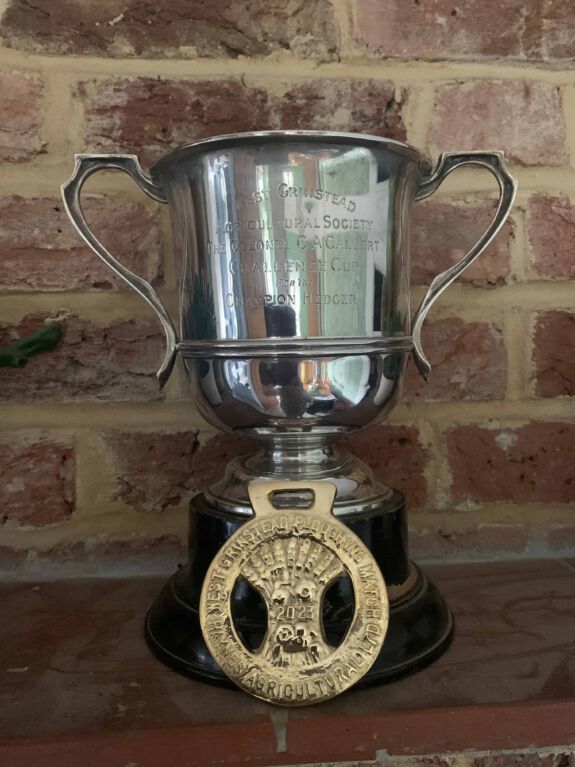
A Weekend of Hedgelaying, Friendship and Field Maple at the 2026 National Championships
Celebrating traditional skills, outstanding craftsmanship and the wonderful community behind British hedgelaying.
Saturday 10 October 2026 | Chipping Norton, Oxfordshire
There is something rather special about the National Hedgelaying Championships. It’s not simply a competition, although the standard of craftsmanship is extraordinary. It’s also an opportunity to reconnect with friends, celebrate a traditional countryside skill and share a passion for our hedgerows and the wildlife they support.
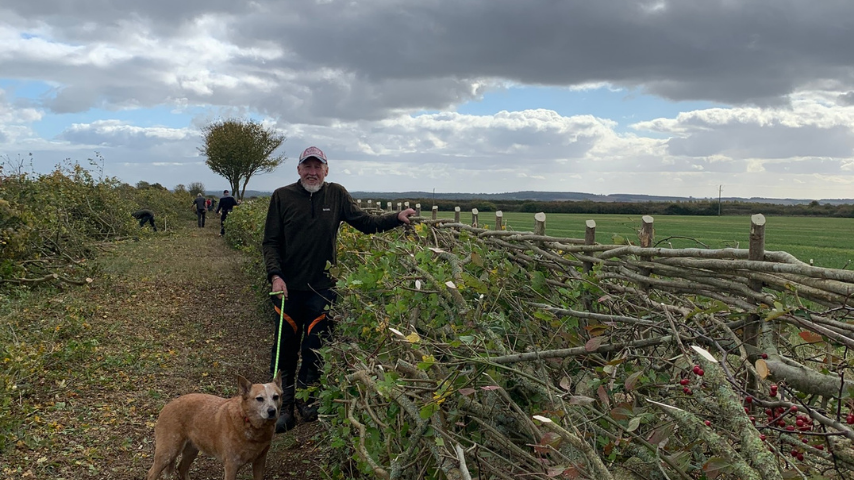
This year, Paul and I travelled to the beautiful Oxfordshire countryside near Chipping Norton for the 47th National Hedgelaying Championships, where Paul was competing in the South of England Open Class.
What followed was a thoroughly enjoyable weekend of competition, friendship, laughter, some rather challenging field maple and even a little international television attention!
A Proud Result for Paul in the South of England Open Class
The South of England Open Class attracted nine competitors this year, all demonstrating the skill, precision and experience required to lay a hedge in this distinctive regional style.
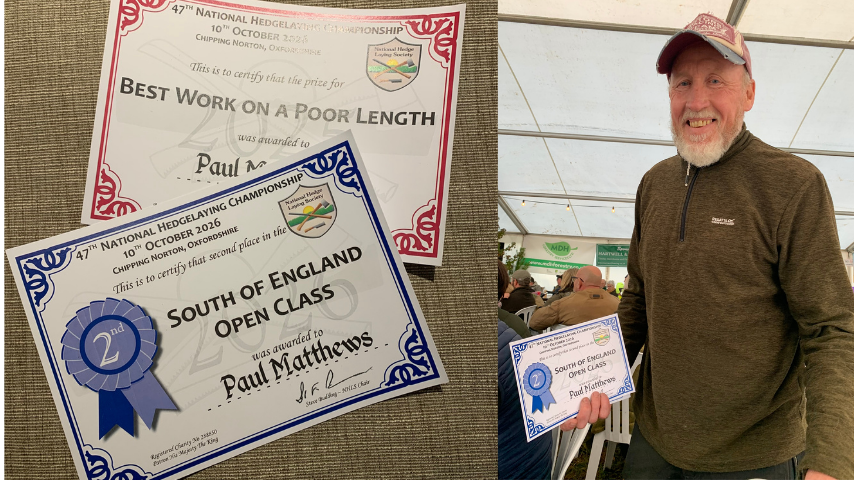
We were absolutely delighted that Paul achieved second place, amongst such strong competition.
The top four competitors were:
- Tim Radford – First Place
- Paul Matthews – Second Place
- Bill Daniel – Third Place
- Jacob Cook – Fourth Place
For those unfamiliar with competitive hedgelaying, judging is based on three principal areas, with a maximum of 100 points available:
| Judging Category | Maximum Points |
| Cuts and pleaches | 35 |
| Staking and binding | 35 |
| General appearance and adherence to regional style | 30 |
| Total | 100 |
Any penalties are deducted from the overall score.
The judges examine not only the technical quality of the work but also the finished hedge’s strength, appearance and faithfulness to its traditional regional style.
It takes years of practice to develop the confidence, knowledge and craftsmanship needed to compete at this level, and it is always fascinating to see the different approaches taken by experienced hedgelayers.
The Field Maple That Became the Talk of the Weekend!
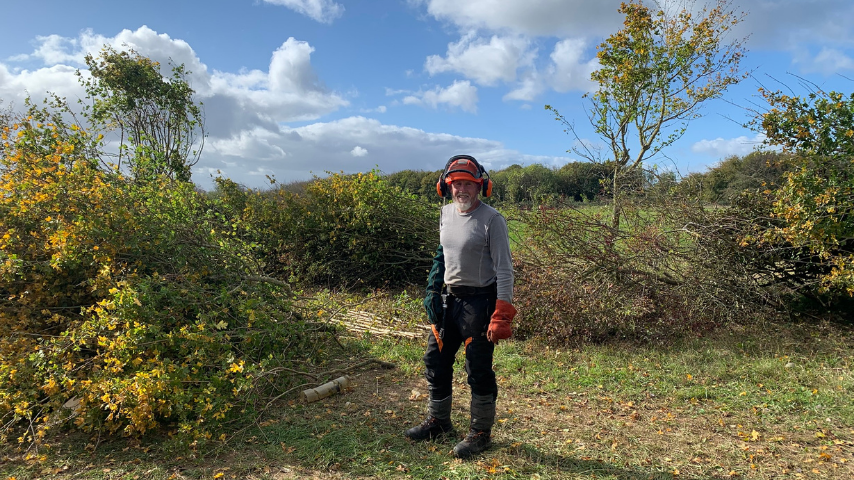
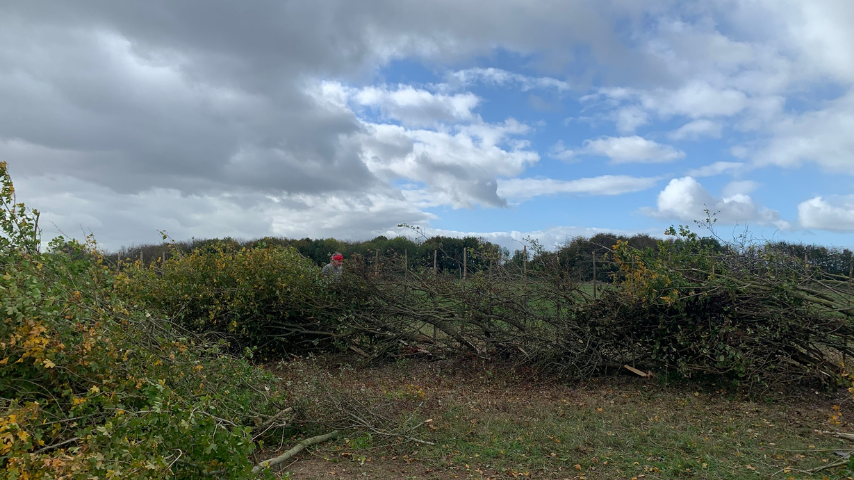
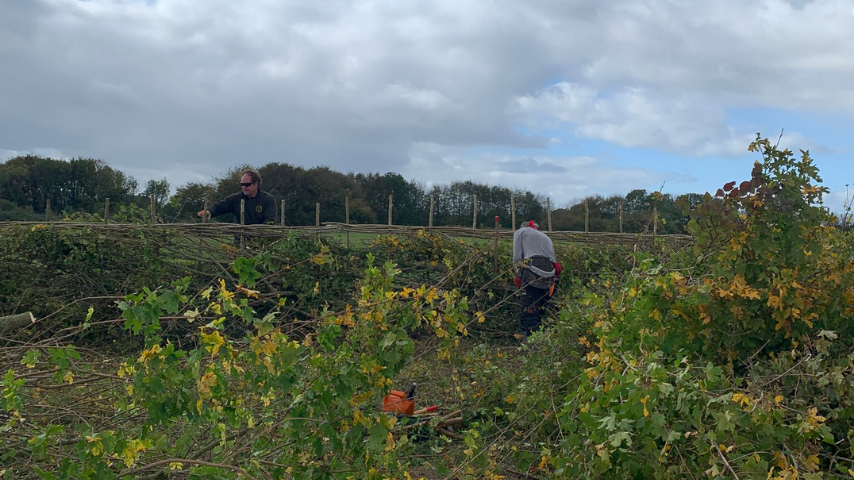
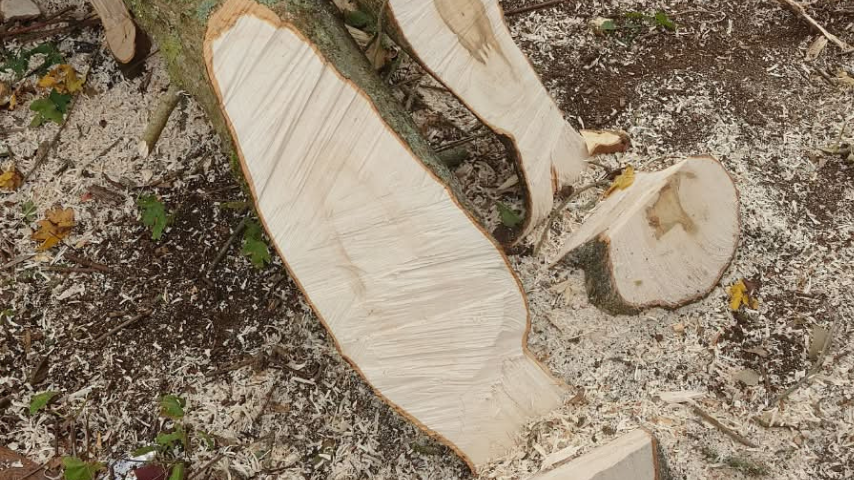
Every hedgelaying competition presents its own challenges, but this year’s hedge had one particularly memorable feature: some exceptionally large field maple.
Field maple was spread throughout the competition hedge, and those competitors unfortunate enough to encounter the larger specimens within their allocated cant (the measured length of hedge assigned to each competitor) certainly had their work cut out.
Some of the field maple pleaches and heels were amongst the largest I have ever seen in a hedge.
Not surprisingly, the field maple became quite a topic of conversation around the dinner table that evening!
Paul’s cant included particularly challenging material and was consequently classified as a poor length.
However, we were delighted that he received the certificate for Best Work on a Poor Length, recognising the quality of his craftsmanship despite the difficult conditions.
I believe there were approximately nine poor lengths across the competition hedge, which made this additional recognition especially pleasing.
It’s a reminder that hedgelaying isn’t simply about producing a beautiful finished hedge. It requires problem-solving, an understanding of how different trees and shrubs respond to cutting, and the ability to adapt your techniques to the material in front of you.
Sometimes, the most difficult lengths provide the greatest opportunity to demonstrate real craftsmanship.
Celebrating the Next Generation of Hedgelayers
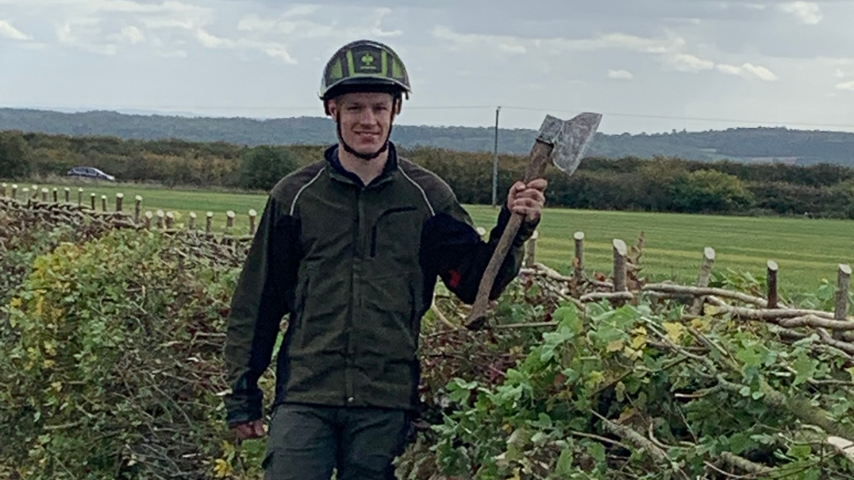
One competitor I particularly wanted to mention is Luke Schippers, who was the youngest competitor taking part in the championships.
Having won the Intermediates last year, Luke had progressed to the South of England Open Class, competing alongside some of the country’s most experienced hedgelayers.
What a wonderful achievement!
The above photo shows the pleaching undertaken by Luke on the day.
For those of us passionate about preserving traditional countryside skills, seeing younger people develop their abilities and progress through the competition classes is hugely encouraging.
Hedgelaying is a skill that has been passed down through generations, and its future depends on people like Luke continuing that tradition.
It’s one of the reasons Paul and I feel so strongly about encouraging new entrants to hedgelaying through our training courses at Hedges & Hurdles.
The National Hedgelaying Championships – Keeping a Heritage Skill Alive
The National Hedgelaying Championships are organised under the auspices of the National Hedgelaying Society (NHLS), which plays an important role in promoting and preserving traditional hedgelaying skills throughout Britain.
Now in its 47th year, the National Championships bring together skilled competitors from different regions, each demonstrating techniques developed to suit local landscapes, farming traditions and hedgerow characteristics.
There are around 30 recognised regional hedgelaying styles across the UK, although not all are represented at the National Championships.
Each has its own distinctive characteristics, from the way the stems are laid to the positioning of stakes, the use of binders (or not) and the overall finished appearance.
These regional differences are an important part of our rural heritage.
The championships provide a wonderful opportunity for people to see these skills being practised, appreciate the craftsmanship involved and learn why traditional hedgelaying remains so relevant today.
For further information about the different styles, competitions and the Society’s work, visit the National Hedgelaying Society website.
Why Hedgelaying Matters – More Than Just a Beautiful Hedge
Whilst competitions celebrate the craftsmanship of hedgelaying, the benefits of the practice extend far beyond the competition field.
Traditional hedgelaying is a centuries-old countryside management technique that rejuvenates existing hedgerows, encouraging healthy new growth and helping to maintain a dense, living boundary.
A well-managed hedgerow provides an extraordinary range of environmental benefits.
Supporting wildlife and biodiversity
Hedgerows provide food, shelter, nesting sites and vital wildlife corridors for birds, small mammals, insects and other species. A thick, healthy hedge offers valuable protection throughout the seasons.
Rejuvenating our hedgerows
Over time, unmanaged hedges can become tall, thin and gappy at the base. Hedgelaying encourages regeneration from lower down, helping restore the hedge’s structure and extend its useful life.
Connecting habitats
Our hedgerows form important links between woodland, farmland, meadows and other habitats, allowing wildlife to move more safely through the landscape.
Preserving traditional skills
Hedgelaying represents generations of practical countryside knowledge. Keeping these skills alive ensures that future land managers, conservationists and craftspeople can continue to care for our rural landscape using sustainable techniques.
Strengthening communities
Competitions, training courses and volunteer activities bring people together, creating opportunities to share knowledge, develop practical skills and foster a greater appreciation of our countryside.
At Hedges & Hurdles, these principles are at the heart of our hedgelaying training and countryside work. We believe traditional skills have a very important place in modern land management, particularly as we look for sustainable ways to restore and protect our natural environment.
You can read more about the benefits of hedgelaying in a previous blog post here.
A Little German Television Attention!
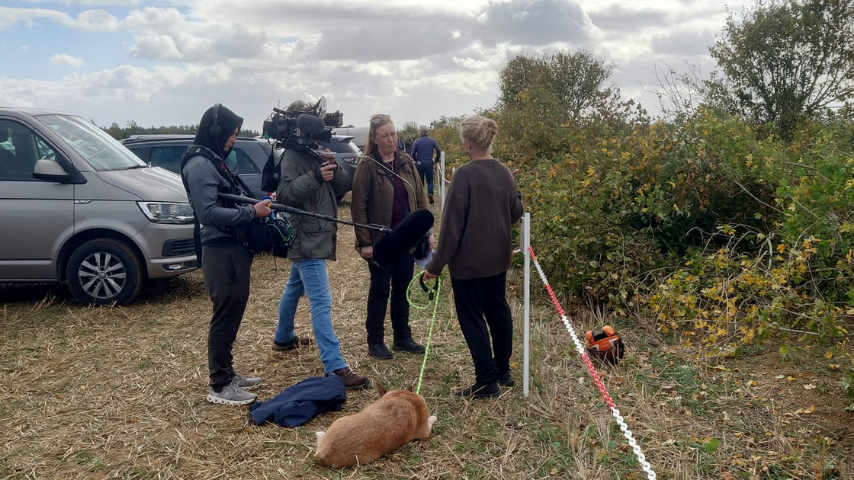
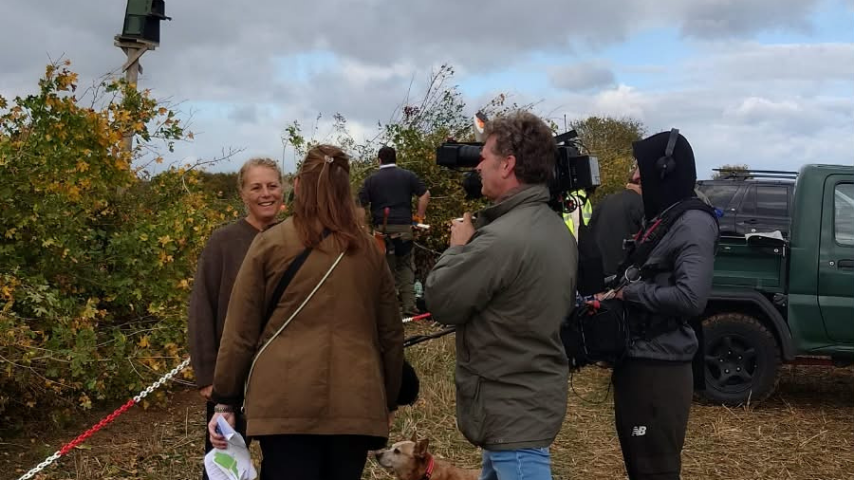
One of the more amusing moments of the day came when a German television crew approached me to ask whether they could interview Paul.
They were filming our friend Graham West, following his involvement in hedgelaying and documenting his story over several weeks.
Naturally, I thought it would be lovely for them to speak to Paul too, particularly as he is due to return to Bavaria shortly to continue his hedgelaying work.
So, I called across the hedge to ask whether he would be happy to be interviewed.
Unfortunately, my timing couldn’t have been worse!
Paul was at a particularly crucial point, laying off his hedge onto the neighbouring length being worked by Roy Champion.
For those familiar with competitive hedgelaying, you’ll appreciate that this is definitely not the moment to interrupt someone’s concentration.
His response was a rather resounding “NO!”
Much to the amusement of the spectators!
I (Lorraine) stepped up when they asked if I would be happy to be interviewed (see photos below), but thankfully, once his hedge was completed and the pressure of competition was over, Paul was more than happy to speak to the television crew.
The timing was particularly appropriate because Paul has been working in Bavaria for the past couple of years, helping to introduce traditional British hedgelaying techniques to a German estate.
The landowner is keen to promote sustainable land management practices and traditional heritage skills, and Paul will shortly be returning to continue this work.
It would be wonderful if the television coverage helps introduce even more people in Germany to the benefits and beauty of traditional hedgelaying.
A Huge Thank You to the People Behind the Championships
Events of this scale simply wouldn’t happen without the extraordinary commitment of the organisers and volunteers.
As competitors, families, friends and spectators, we get to enjoy the results of an enormous amount of work, much of which takes place long before competition day.
From preparing and measuring out the competition cants to sourcing and organising stakes and binders, erecting marquees, arranging access and parking, and ensuring that health and safety requirements are met, there is a tremendous amount to coordinate.
The championships also provide a wonderful opportunity for countryside businesses, craftspeople and organisations to showcase their work through the various stands and stalls.
A particular mention must go to Margaret Budding, who organised the stands and stalls both outside and within the main marquee.
The event is a real community effort, and I’m sure I speak for many of those attending when I say how much we appreciate the dedication, time and energy given by everyone involved.
Thank you to all the organisers, volunteers, judges, stewards and supporters who helped make the 47th National Hedgelaying Championships such a success.
A Lovely Weekend in Oxfordshire
Of course, the championships are about much more than the competition itself.
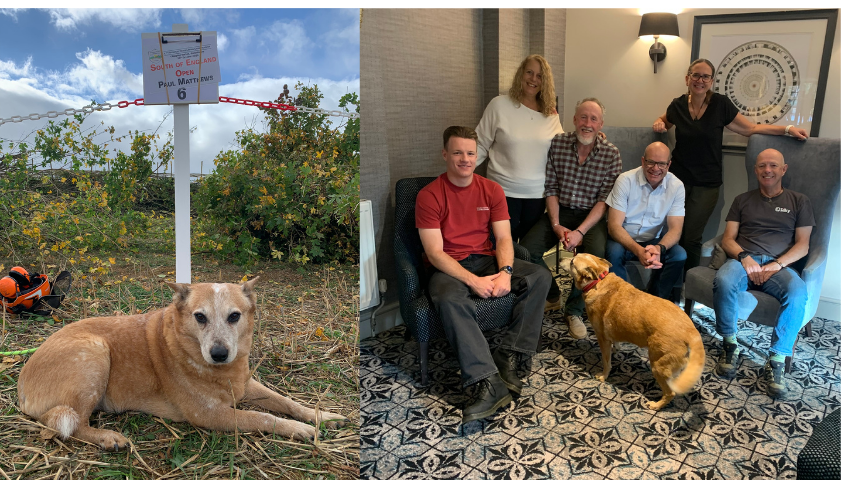
For Paul and me, it’s also an opportunity to spend time with friends, enjoy the countryside and catch up with people we may not have seen for some time.
We stayed at The Holt Hotel near Bicester, approximately a 20-minute drive from the competition site.
The hotel was wonderfully accommodating, particularly as we had our dog with us. At one point, I was worried that bringing the dog might mean I couldn’t attend, so their helpfulness was very much appreciated.
We also enjoyed some excellent food and a lovely atmosphere throughout our stay.
One of the highlights for me was reconnecting with people I already knew and meeting others whom Paul has known through the hedgelaying community for years.
I haven’t managed to attend every competition in recent years, so it was especially nice to put faces to names and make some new friends.
There is always so much to talk about, from the previous hedgelaying season to the work everyone has planned for the months ahead.
And, of course, catching up over a beer or two in the evening is all part of the enjoyment!
A Sunday Walk with Friends
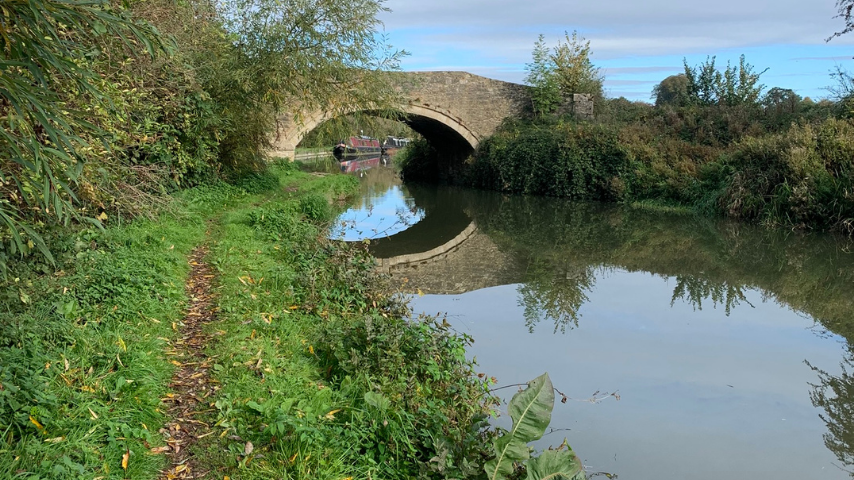
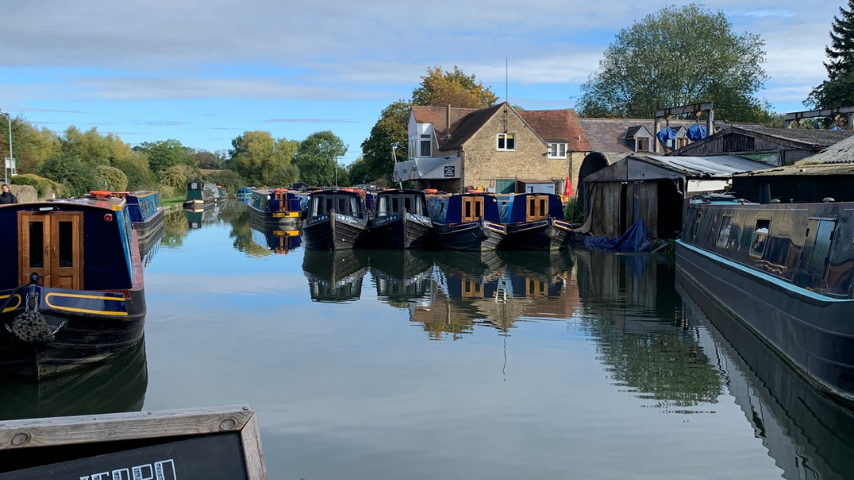
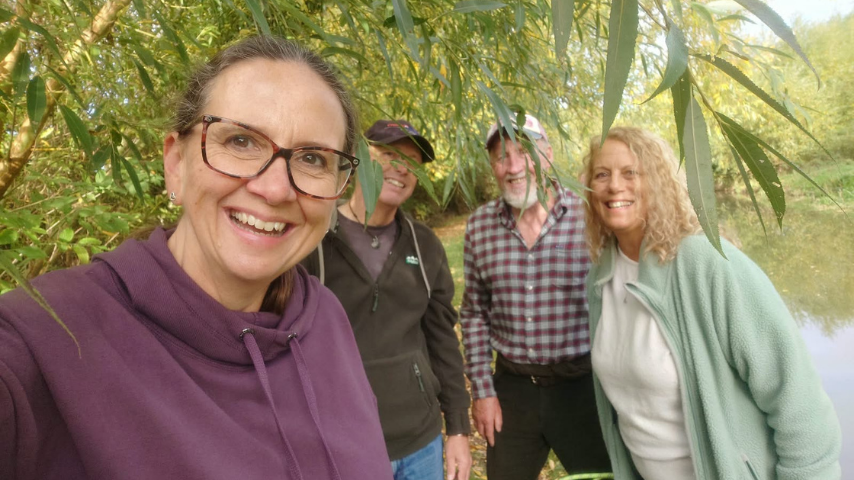
Before heading home, we enjoyed a lovely Sunday walk with our friends Graham and Becky West.
We always enjoy getting out for a walk together, and the beautiful Oxfordshire countryside provided the perfect setting.
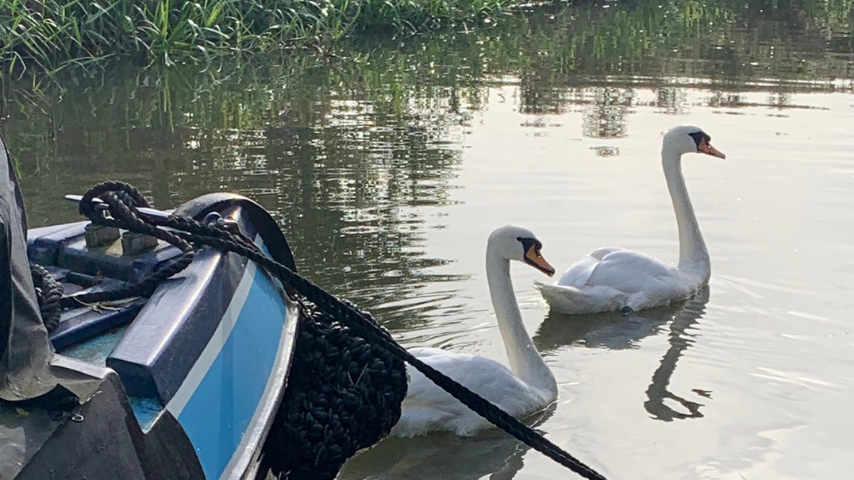
Our walk took us along the weir, where we spotted some lovely swans enjoying the water.
The dog thoroughly enjoyed the outing too!
After the excitement and activity of competition day, it was a wonderful way to round off the weekend, enjoying the fresh air, beautiful scenery and good company.
Looking Ahead to Another Hedgelaying Season
As we headed home, I reflected on what makes these weekends so special.
Yes, there is the excitement of competition and the satisfaction of seeing Paul recognised for his craftsmanship. His second-place finish and Best Work on a Poor Length certificate were certainly achievements to celebrate.
But just as importantly, there is the sense of belonging to a community that genuinely cares about its craft, its countryside and the future of our hedgerows.
The National Hedgelaying Championships bring together people of different ages, backgrounds and experience levels, united by a shared enthusiasm for preserving and promoting this remarkable heritage skill.
From established champions to promising young competitors like Luke, it’s encouraging to see the knowledge, dedication and passion that continue to drive the hedgelaying community forward.
For Paul, it’s now back to another busy hedgelaying season, including his forthcoming return to Bavaria and our own training and commercial hedgelaying work through Hedges & Hurdles.
And for me, it’s another lovely weekend to remember.
Congratulations to everyone who competed, and thank you to all those who made the 2026 National Hedgelaying Championships possible.
We look forward to seeing you all again!
Interested in Learning Traditional Hedgelaying?
At Hedges & Hurdles Country Skills & Crafts, we are passionate about keeping traditional countryside skills alive.
Our practical hedgelaying courses offer an opportunity to learn from experienced craftspeople, develop new skills and discover how this centuries-old practice benefits our countryside and wildlife.
Whether you’re a complete beginner or looking to develop your existing skills, we’d love to welcome you.
Discover our hedgelaying courses and countryside experiences at www.hedgesandhurdles.com.